
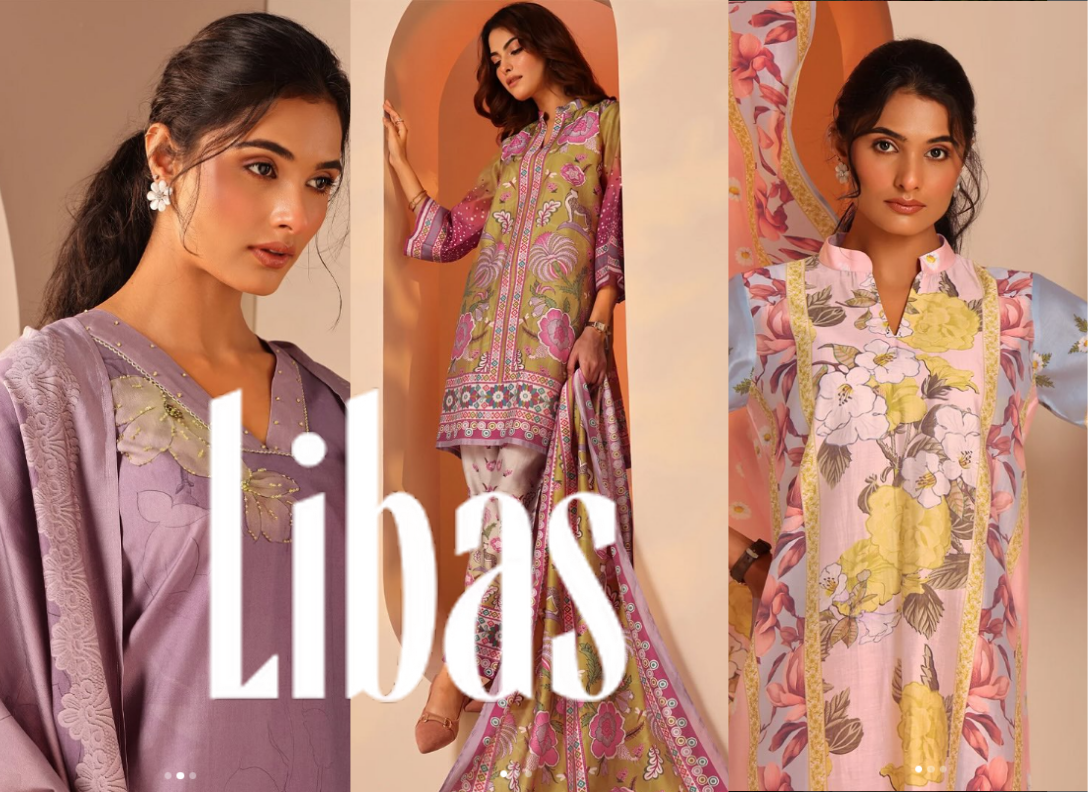
Picture the rush before a family gathering — fabrics pulled from shelves, colors compared in the mirror, someone asking, “Does this look right?” Clothes have always been more than outfits; they carry the weight of memory, culture, and comfort. For many, choosing what to wear isn’t about trends, it’s about finding something that feels like you. The trouble is, fashion often splits into two extremes: traditional wear that feels too rigid, or modern wear that loses touch with roots.
Somewhere in between lies the balance — a space where heritage and everyday life can meet without compromise. That’s the story Libas has been quietly stitching, one design at a time.
From Sketches to Swipes
There was a time when choosing an outfit meant long waits at neighborhood stores, endless trials, and stock that ran out before you even decided. Designers made clothes for models; buyers made do. Today, the cycle has flipped. Brands listen, adapt, and move at the speed of swipes.
Libas, which began its journey back in 1985, reflects that shift. What started with boutique designs has turned into a platform where kurtas, suits, sarees, lehengas, and fusion dresses appear as instantly accessible as your playlist. The digital shelves never run dry, and the question isn’t “Do they have my size?” but “Which of these feels like me today?”
From Guesswork to Clarity
The challenge of ethnic wear has always been confidence. Will the fabric drape right? Is the color as rich in real life as it looks on the rack? Will this outfit feel like mine — or will it wear me instead? Here’s where visualization and fit change everything. With intuitive online tools, size charts, and collections that consider both trend and tradition, Libas helps people stop guessing and start owning their style.
Why This Matters:
- Freedom to experiment: From neon accents to minimalist whites, no idea feels “too much” when you can test without pressure.
- Safety in mistakes: If it doesn’t suit you, exchange policies make the choice forgiving.
- Confidence in choices: Fit guides, customization, and inclusivity (like the Extra Love line) mean no one is left out.
Clothes stop being stress points. They start becoming confidence boosters.
More Than Outfits: Building Lifestyles Digitally
A minimalist kurta reflects a craving for simplicity. A layered anarkali might signal a love for celebration. A tailored suit for women can quietly state ambition. When fashion travels beyond occasion, it becomes lifestyle. Libas curates not only festive wear but also office-ready styles, at-home comfort collections, and hybrid outfits that move between the two. This blending of contexts — one piece working across multiple identities — is what keeps wardrobes alive.
Because let’s face it: no one wants to buy clothes that sit in closets waiting for “someday.”
A Tool for Everyone, Not Just Designers
Once upon a time, design felt like an exclusive club. Heavy couture, intimidating price tags, and instructions about how to wear it “properly.” What’s changed is accessibility. Libas has opened that gate. Whether you’re a student buying your first kurta, a working professional balancing office and festivals, or someone looking for plus-size comfort without compromise — the platform feels welcoming. It isn’t about fitting into a designer’s vision. It’s about shaping your own.
Where Creativity Meets Community
Fashion doesn’t end in trial rooms anymore. It lives on Instagram feeds, in WhatsApp group photos, at house parties, and on the streets where strangers nod at your dupatta and say “nice color.”
This community aspect is where Libas thrives. The collections aren’t just products; they’re conversation starters.
Why Community Fuels Style:
- Shared Inspiration: One person’s outfit post becomes another’s wishlist.
- Peer Support: Reviews, size notes, and styling ideas build trust.
- Collective Creativity: Styles spread not top-down from runways, but bottom-up from real women wearing them every day.
When people share their looks, fashion stops being individual. It becomes culture.
The Storytelling Side of Spaces
Every room has energy, every outfit a story. A child’s kurta in pastel tones tells of beginnings. A shimmering saree at a farewell dinner signals endings and transitions. A simple cotton suit on a humid day speaks of practicality, survival, and quiet elegance. Designing these stories digitally lets you try on multiple narratives before committing. In one evening you can be minimalist, maximalist, retro, or experimental — and decide which one fits not just your body, but your mood.
Technology as Partner, Not Replacement
What’s next for fashion? Tools like AI and AR are reshaping even how we shop. Imagine trying on a saree virtually before ordering, or AI suggesting outfits based on your past choices. These aren’t far-off dreams — they’re realities already appearing on platforms like Libas. The role of tech here isn’t to erase tradition but to extend it. To help heritage meet convenience, and to make sure confidence arrives before the delivery package does.
Fashion That Fills the Everyday Gaps
This isn’t only about what you wear on Diwali or Eid. It’s about office days when you need to look sharp without sacrificing comfort. About Zoom calls where your kurta becomes part of the frame. About everyday identity.
Fashion is no longer a seasonal decision. It’s a daily expression. Brands like Libas have tapped into this truth — that you’re not dressing for a calendar, you’re dressing for your story.
Key Takeaways for Dreamers and Dressers
- Spaces are stories — and so are wardrobes. Outfits should feel like chapters of your own life.
- Visualization reduces stress — clear fits, clear colors, clear return options.
- Fashion is inclusive — size, budget, or lifestyle shouldn’t keep you out.
- Community drives creativity — shared looks build collective trends.
- Technology is a partner — AI and AR don’t replace imagination, they amplify it.
Wear Your Story
In the end, this isn’t about kurtas, sarees, or lehengas. It’s about how people see themselves when they wear them. About confidence that comes from color, comfort that comes from fit, and pride that comes from heritage. Libas isn’t just a brand; it’s a reminder that fashion has always been about people, not products. That the future of ethnic wear lies in empathy, inclusivity, and storytelling.
Because when you step into an outfit that feels like you, you don’t just wear fabric. You wear memory. You wear identity. You wear your story.